Little Gecko® welding carriages · Engineering, QC & worldwide export from Beijing, China
Home / Blog / Shipyard Welding Automation

Shipyard Welding Automation: From One Carriage to a Fleet

Shipyards buy welding automation differently from repair shops: one pilot machine, measured results, then a batch rollout across zones. Here is how that rollout usually goes — and what a fleet order actually involves.

Why Shipyards

Your yard is the natural home of the welding carriage

A ship hull is kilometres of repetitive seam: long butt joints on panels and decks, thousands of metres of fillet on stiffeners and frames, vertical and curved shell work on blocks. These are exactly the seams a carriage was built for — long, repetitive, and quality-critical.
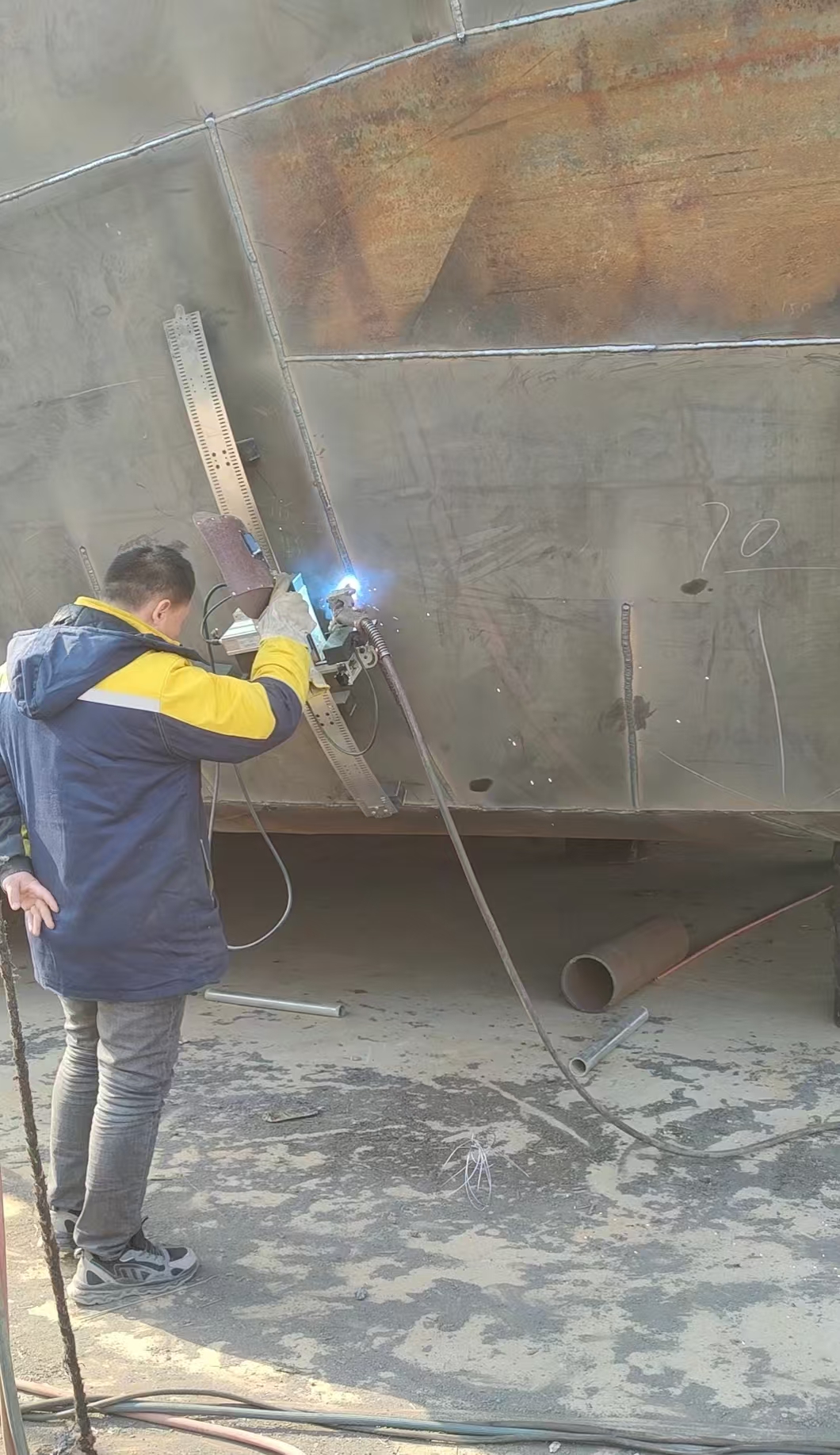
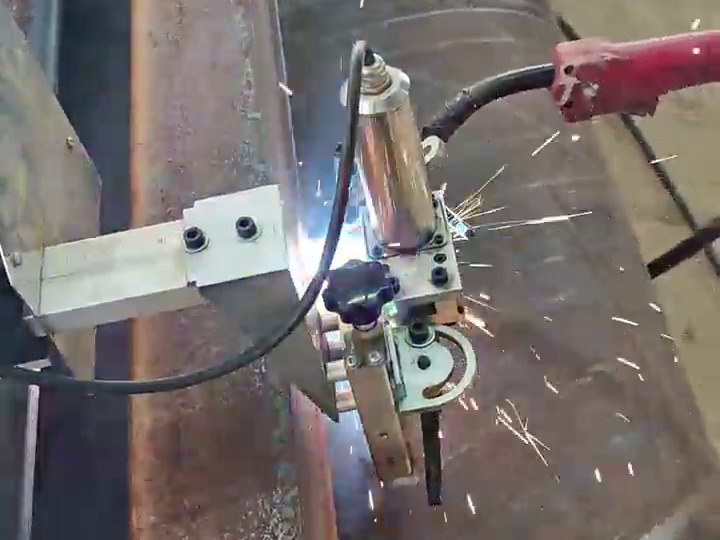
  • Panel shop & deck plates — long straight butt seams → straight-rail carriage (ZG), mag or clamp fixing
  • Block assembly & bulkheads — fillets on stiffeners, flat & horizontal → corner-fillet carriage (JJ), dual-torch where the job allows
  • Curved shell & vertical seams — climbing curved plates → flexible-track carriage (RG)
  • Pipe & spool work — circumferential seams → magnetic crawler (CX)
The economics scale with metres, not with machines. A yard that welds hundreds of metres per hull gets the same per-metre benefit on every machine it adds — which is why carriage fleets make sense in a way a single repair-shop unit often does not.
Welding carriage running a seam on ship hull panel plating Straight-rail welding carriage laying a long seam on ship panel
The Rollout Path

Pilot First, Fleet Second — and That Is a Good Thing

Almost every successful fleet we see starts the same way: one or two machines on the yard's worst bottleneck seam — usually the long panel butts that queue behind one manual welder.

Run the pilot for a few weeks and measure four numbers before and after:

  • Weld metres per shift — the headline number; a carriage holds a set travel speed for the whole seam
  • Re-work rate — consistent speed and torch angle means fewer repairs and less grinding
  • Wire consumption per metre — over-welding drops when the bead stops wandering
  • Operator-hours per metre — one operator can mind two or three carriages at once

If the numbers hold — and on long repetitive seams they usually do — the next step is a batch order spread across the zones above. If they do not hold on your mix of work, we will tell you that too before you spend on a fleet.
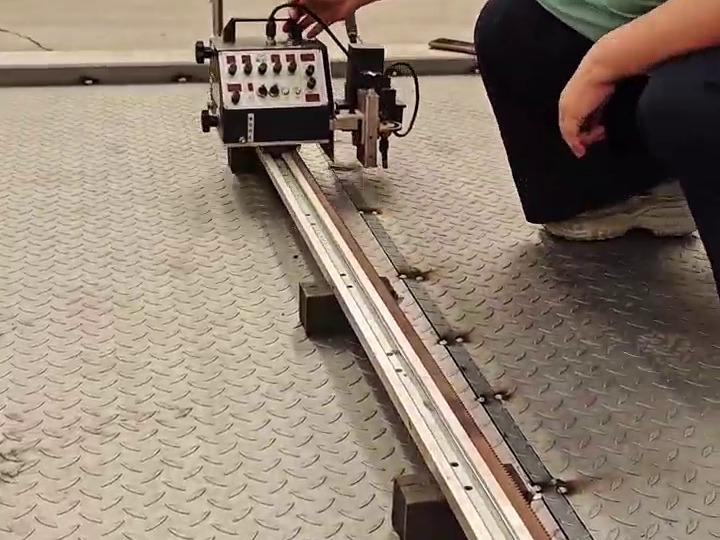
Straight-rail carriage with track fixed on ship panel before welding
What a Fleet Looks Like

A Typical Yard Mix

ZoneTypical seamMachineNotes
Panel / plate shopLong butt seams on plate assembliesStraight-rail (ZG)Longest seams in the yard — biggest payback first
Block assemblyFillets on stiffeners, framesCorner-fillet (JJ)Dual-torch only for flat/horizontal; vertical goes to single-torch
Curved shell / erectionVertical & curved seams on shell blocksFlexible-track (RG)Belt track with magnetic blocks follows the plate curve
Pipe shopCircumferential pipe seamsMagnetic crawler (CX)For spools too big or too long to turn

Process discipline: all Little Gecko machines run MIG/MAG (GMAW/FCAW). The carriage supplies travel and oscillation; your power source, torch, wire feeder, wire and gas complete the cell. Fleet orders usually standardise on the same wire and gas across zones to simplify supply.

Buying in Batches

What a fleet order involves

Fleet orders are handled differently from single-machine orders, and it helps to ask the right questions up front:
  • Staged delivery — batches can ship against your dock schedule instead of all at once; tell us your project timeline at quotation
  • One production source — every unit in the batch comes from our own factory in Hebei, so machines in a fleet match: same control layout, same spare parts, same firmware behaviour
  • Wear-parts kits — drive wheels, track blocks and torch consumables are the items fleets stock; we quote a spares ratio with the machines
  • Setup support — each machine ships with the same setup documentation and video; your pilot-machine experience transfers directly to units two through ten
  • Batch pricing — pricing improves with quantity; send the machine count and delivery stages and we quote factory-direct, without distributor mark-up
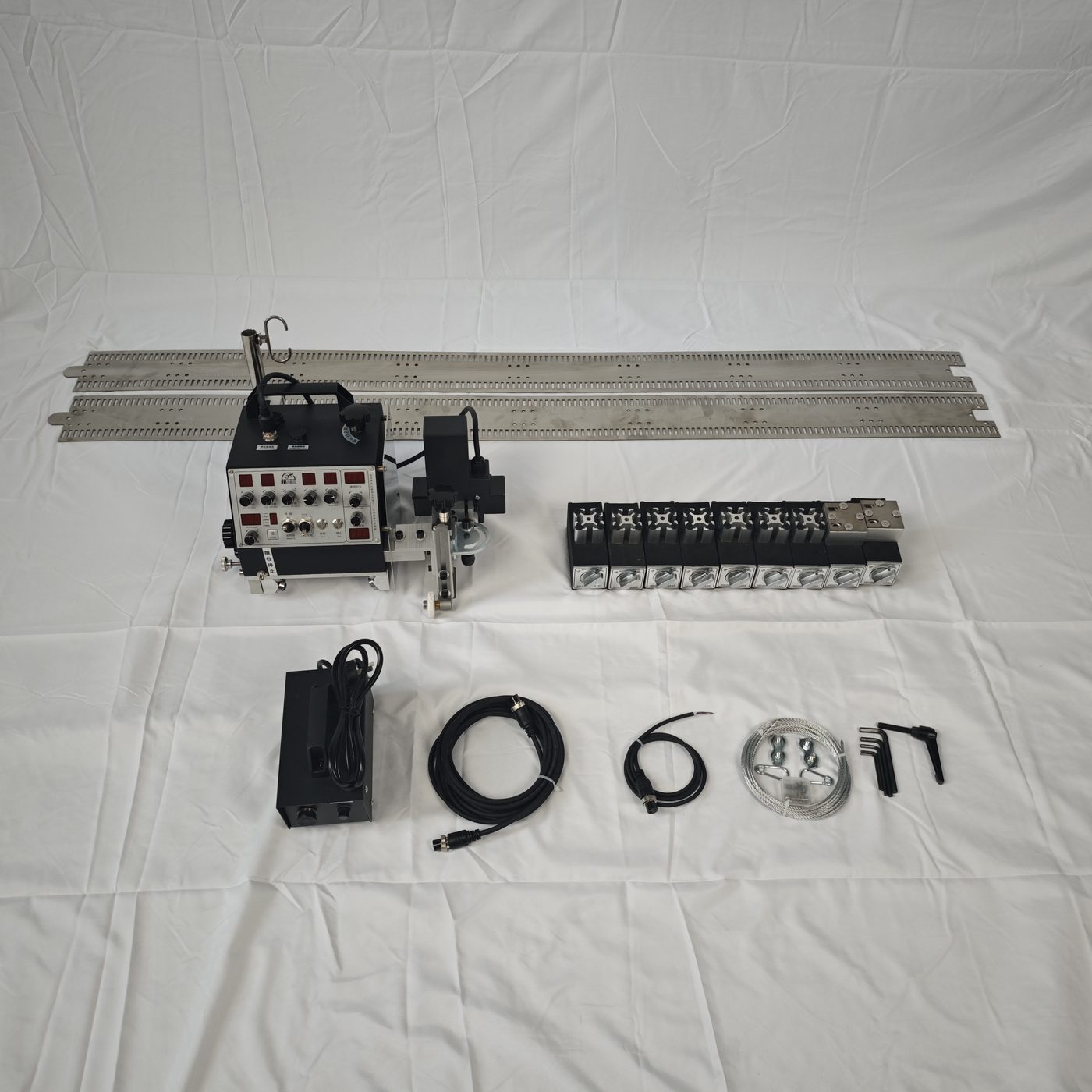
Complete welding carriage kit contents: carriage, track, control box and cables
FAQ

What Shipyards Ask Before Ordering a Fleet

Do you work with shipyards directly, or only through distributors?
Direct. We are the manufacturer — engineering, quality control and export are handled by our own team, and fleet orders are quoted factory-direct. No distributor layer sits between your purchasing office and our engineers.
Can we start with one machine and expand later?
Yes — that is the normal path. The pilot machine is the same product as the fleet units, so nothing you learn or stock is wasted when you scale. Later batch orders can add machines zone by zone.
Can several carriages run at the same time with few operators?
Yes. Once a carriage is set on its seam, it runs at a set speed without constant correction, so one operator can mind two or three units — starting seams, watching beads, and swapping machines between welds.
Do you supply spares and consumables for the whole fleet?
We quote wear-parts and spare kits together with the machines — drive wheels, track blocks, and the carriage-side consumables. Torch consumables (tips, nozzles) usually match the torch brand your yard already runs, so those can stay on your existing supply chain.
What do you need from us to quote a fleet?
Three things: which zones you want to automate (panel, block, shell, pipe), rough weld metres per month in each, and your delivery timeline. With that we propose the machine mix, the batch split and factory-direct pricing.
Will a carriage pass our yard's welding quality requirements?
The carriage keeps travel speed and torch angle constant, which is what makes beads repeatable — but the weld procedure, parameters and inspection standard stay yours. If you need help matching a carriage to an existing WPS, send it to us and we will confirm compatibility before you order.
Keep Reading

Related Pages on This Site

Planning a Shipyard Rollout?

Send us your zones, monthly weld metres and delivery timeline — we reply with the machine mix, a batch split and factory-direct fleet pricing. Start with one pilot unit and scale when the numbers say so.

Get a Fleet Quote